|
|
We are delighted to announce another new picture book from Julie and Emma – due out next April! – Team Julie https://t.co/W10mLTiBt6
— Julie Andrews (@JulieAndrews) June 13, 2023
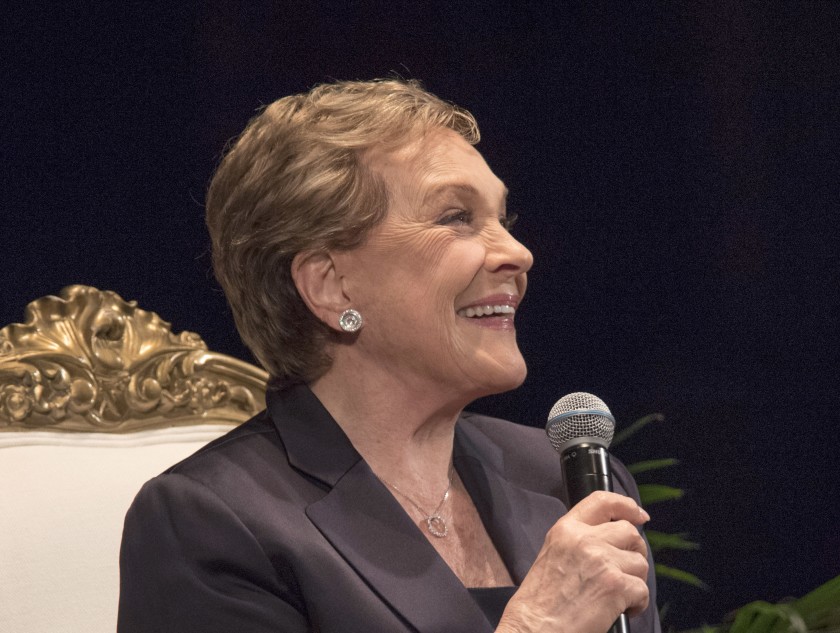
![2/8/17 9:55:17 AM -- New York, NY -- Julie Andrews (Right) and daughter, Emma Walton Hamilton (left) , to talk about their new Netflix children's show, 'Julie's Greenroom,' which teaches kids about theater with the help of special guests including Alec Baldwin, Carol Burnett and Ellie Kemper. -- Photo by Robert Deutsch, USA TODAY staff ORG XMIT: RD 136007 Julie Andrews 02/15/2 [Via MerlinFTP Drop]](https://www.gannett-cdn.com/presto/2023/02/06/USAT/c574620d-1903-4efc-91b4-17622190ea87-XXX_Julie_Andrews_rd202.JPG?width=1588)
NEW YORK — The latest picture book collaboration between Julie Andrews and daughter Emma Walton Hamilton was inspired by an unusual musical performance in Spain.
Abrams Children’s Books announced Monday that “The Enchanted Symphony” will be published Sept. 12. Andrews and Walton Hamilton thought of the book during the first year of the pandemic, when they attended “Concert for the Biocene,” in which a string quartet played in front of thousands — of plants, one for each seat at Barcelona’s Gran Teatre del Liceu.
“The Enchanted Symphony” is a “hopeful fairy tale,” according to Abrams. It’s set in a village “beset by a mysterious fog,” but revived by a “boy’s simple melody.”
“While the fog in our book evokes our pandemic experience, it also symbolizes something larger: the creeping and countless distractions that prevent us from appreciating what truly matters most in life,” Andrews and Walton Hamilton said in a statement.
“For us, it’s family, community, nature, and the arts that provide true beauty and meaning,” they said.
Andrews and her daughter have worked together on numerous other books, including the “The Very Fairy Princess” series and “The First Notes: The Story of Do, Re, Mi,” based on the famous song from “The Sound of Music.” They also plan a followup to “The Enchanted Symphony.”
Somewhere in Suffolk County, N.Y., perhaps right at this moment, a woman is holed up in a closet, surrounded by pillows, blankets and towels, and she’s reading a story from a picture book.
A story that might go something like this:
Once upon a time, in a green and pleasant land far, far away, there lived a little girl who liked to sing. She traveled around the country with her mother and stepfather, and they sang for all sorts of people — soldiers and lorry drivers and shopkeepers; housemaids and homemakers and, on one very special occasion, the king himself.
As the girl grew, so did her voice, and by the time she was a woman, people from all over the the world would stop whatever they were doing just to hear her sing. And when she grew older and no longer sang as often as she once did, the people were just as happy to hear her talk. Because her voice was a magical voice, still full of music and hope — so no matter how sad or scared or angry you might be, the sound of that voice would make you feel better.
And that is why Julie Andrews has been spending much of the COVID-19 shutdown stuffing herself into a pillow-soundproofed closet reading stories so that her new American Public Media podcast, “Julie’s Library,” could premiere April 29, months earlier than originally planned. The first six episodes, which drop weekly, will, she hopes, offer some aid to all those families sheltering at home like her.
“We want to reach the children,” she says. “And their parents, and their grandparents and anyone who reads with them.”
“Mom and I are both fans of podcasts, and we had been planning to do one for quite some time,” says Emma Walton Hamilton, Andrews’ eldest daughter and longtime cowriter-collaborator. “It’s a lovely extension of what we’ve already been doing with our own children’s books and children’s programming. And because of the virus, American Public Media was kind enough to fast-track the podcast. It’s kept us very busy.”
“Very busy,” says Andrews, laughing. “And it’s been quite a learning curve.”
Andrews was supposed to be in Los Angeles this past weekend, accepting AFI’s Life Achievement award and appearing at several events (two of which included me interviewing her onstage, sob), but all of those dates have been postponed due to coronavirus concerns — and so Andrews, along with a large portion of the world, is now working from home.
Where she, at 84, is still managing to get more done than some of us who are considerably younger.
Mother and daughter are speaking on a conference call from their homes in Sag Harbor. They live, Andrews says, about five minutes away from each other but have been sheltering separately with occasional outdoor, socially distanced and masked visits in Andrews’ backyard.
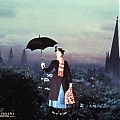
“It’s amazing how much you can make work if you really apply yourself to it,” Andrews says, sounding very much like the characters — Mary Poppins, Maria von Trapp and later “The Princess Diaries’” Queen Clarisse —that made many people, including Rosie O’Donnell and, well, me, wish at times that she were our mother.
(Last year, I had the opportunity to interview Andrews for an L.A. Times Book Club event, and when we stepped out onstage, she took my hand and, frankly, it is a miracle I was able to recover enough to speak. And a good thing too, because it is hard to imagine an easier, more delightful — and occasionally bawdy — interviewee.)